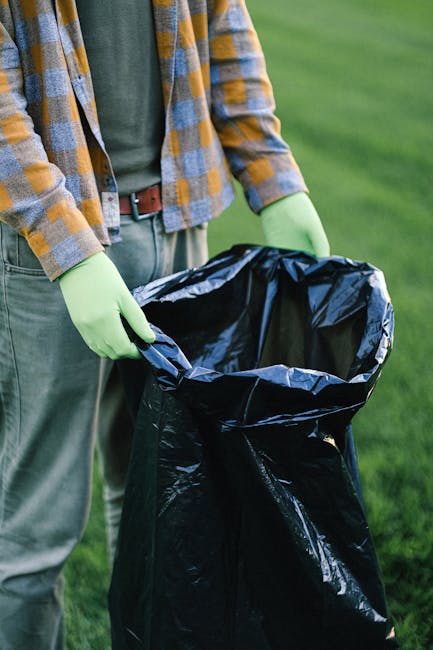
Theobalds Park Garden Rubbish Collection and Recycling
If your garden in Theobalds Park is piling up with hedge trimmings, broken fence panels, soil bags, or that awkward heap of mixed green waste you meant to sort "next weekend", you are not alone. Garden clear-ups have a habit of snowballing. One minute it is a few branches after a windy afternoon; the next, you are staring at a wheelbarrow full of damp clippings, ivy roots, and a compost sack that somehow split at the worst possible moment.
This guide to Theobalds Park Garden Rubbish Collection and Recycling explains how the process works, what can usually be recycled, what needs special handling, and how to avoid the common mistakes that make garden waste removal slower, messier, and more expensive than it needs to be. It is written for homeowners, landlords, tenants, and anyone tackling an outdoor clear-up who wants a sensible, local, no-nonsense approach.
Along the way, we will also look at practical sorting tips, compliance and safety considerations, and how to choose the right service level for your situation. If you want to understand the process properly before booking anything, you are in the right place.
Table of Contents
- Why Theobalds Park Garden Rubbish Collection and Recycling Matters
- How Theobalds Park Garden Rubbish Collection and Recycling Works
- Key Benefits and Practical Advantages
- Who This Is For and When It Makes Sense
- Step-by-Step Guidance
- Expert Tips for Better Results
- Common Mistakes to Avoid
- Tools, Resources and Recommendations
- Law, Compliance, Standards, or Best Practice
- Options, Methods, or Comparison Table
- Case Study or Real-World Example
- Practical Checklist
- Conclusion
- Frequently Asked Questions
Why Theobalds Park Garden Rubbish Collection and Recycling Matters
Garden waste looks simple at first glance. Grass cuttings, branches, leaves, old turf, and a few bits of broken timber - what could be difficult about that? In practice, a garden clear-up often includes a mix of materials that cannot all be treated the same way. Some are organic and recyclable. Some are reusable. Some are contaminated. Some are just awkward. And a few items, like treated timber, old pots with residues, or bags full of mixed rubbish, need more careful sorting than people expect.
That is why a thoughtful approach to Theobalds Park garden rubbish collection and recycling matters. Done properly, it keeps waste out of general landfill where possible, reduces mess on site, and gives you a cleaner result without turning your driveway into a staging area for the next three days. It also helps avoid the "I'll sort it later" problem, which, let's face it, is how many gardens end up with half-filled sacks sat in the rain.
There is also a practical community angle. Garden waste that is stored badly can smell, attract pests, block access, and create slip hazards. If branches are left piled near paths or gates, they can make daily life awkward fast. A proper collection solves the physical clutter and makes the outdoor space feel usable again - which is usually the real goal. Not perfection. Just usable, tidy, and calm.
Expert summary: The best garden waste collection is not just "take it away"; it is the combination of sensible sorting, safe lifting, recycling where possible, and leaving the space cleaner than it started.
How Theobalds Park Garden Rubbish Collection and Recycling Works
At a practical level, the process usually starts with an assessment of what needs removing. That may happen from a photo, a short description, or an in-person look at the pile. The important thing is not the size of the pile alone, but the type of material in it. Two gardens can look similar from the gate and need very different approaches once you get closer.
Most garden waste falls into one of a few broad groups:
- Green waste: grass cuttings, hedge trimmings, leaves, small branches, weeds, and plant matter.
- Woody material: thicker branches, roots, logs, timber offcuts, and fence sections.
- Mixed garden rubbish: plant pots, broken garden furniture, old soil bags, plastic edging, and assorted non-organic debris.
- Heavy or awkward waste: soil, turf, rubble, and material contaminated with stones or construction debris.
Recycling depends heavily on the purity of the load. Clean green waste is usually the easiest to recycle because it can be processed more efficiently. Mixed loads may still be recyclable in part, but they often require more sorting after collection. To make that easier, many households separate the obvious categories before collection day. A little effort upfront saves time later. It really does.
For planning, think in stages:
- Identify the waste types.
- Separate recyclable garden material from general rubbish.
- Remove anything sharp, heavy, or hazardous.
- Stack or bag the waste so it can be lifted safely.
- Book the collection and confirm access details.
- Make sure the final load is checked for missed items.
That final check matters more than people think. A single hidden planter full of soil, or a bag containing old paint tins tucked under hedge clippings, can change the handling requirements and slow the whole job down.
If you are comparing providers, it is worth looking beyond the headline price. A transparent provider will be clear about sorting expectations, recycling handling, and payment terms. Pages like pricing and quotes and payment and security are helpful because they show how the service is structured before you commit.
Key Benefits and Practical Advantages
The biggest benefit is obvious: a clean garden. But there is more to it than that. Good garden rubbish collection and recycling can make outdoor spaces easier to use, reduce stress, and prevent waste from spreading across patios, side passages, and driveways. Once the clutter goes, the whole place feels lighter. You notice it straight away, especially in a smaller garden where every square metre counts.
Here are some of the practical advantages people often value most:
- Less physical strain: no need to repeatedly load heavy bags, branches, or soil into a vehicle.
- Better recycling outcomes: green waste and timber can often be handled more responsibly when sorted correctly.
- Faster turnaround: a planned collection avoids multiple trips to a disposal point.
- Cleaner presentation: useful for landlords, selling a home, or preparing for new landscaping.
- Reduced contamination: separating garden waste from household rubbish improves recycling quality.
- Safer environment: fewer trip hazards, fewer sharp edges, and less chance of hidden debris being stepped on.
There is also the convenience factor. Garden clear-ups often happen around busy life moments: before family arrives, after a renovation, when the hedge has run away from you in spring, or when a storm has scattered branches everywhere. On those days, convenience is not a luxury. It is the whole point.
To be fair, not every job is dramatic. Sometimes it is just a couple of bags of clippings and a damp pile of leaves. But even small loads benefit from being handled properly, because small jobs have a way of becoming annoying jobs if you leave them too long.
Who This Is For and When It Makes Sense
Theobalds Park garden rubbish collection and recycling is useful for a wide range of people, not just those with huge gardens or major landscaping projects. In fact, some of the most common requests come from ordinary households that simply need a clean, practical solution.
This service makes sense if you are:
- a homeowner doing seasonal garden maintenance;
- a tenant moving out and clearing neglected outdoor waste;
- a landlord preparing a rental property for viewings;
- a property manager dealing with overgrown or abandoned outside spaces;
- a gardener or landscaper left with surplus material after a job;
- someone recovering from illness, injury, or a busy period and unable to clear waste yourself.
It also makes sense after events that create sudden volumes of waste: fencing work, hedge reductions, tree pruning, or end-of-season tidy-ups. If a bin collection will not touch it, or if the pile is too bulky for your car, you are already in the zone where collection support starts to feel sensible.
One thing people sometimes miss: garden rubbish can be mixed with other waste more easily than they think. Old plant tubs, broken ornaments, trellis, and even forgotten bits of DIY material often end up in the same corner. If that sounds familiar, do not panic. It just means you need a more careful sort before collection, not a bigger headache.
Step-by-Step Guidance
If you want the smoothest possible collection, a simple plan usually works best. No drama, no overthinking, just a tidy sequence.
1. Walk the garden and identify the waste
Start with a slow walk around the space. Check borders, sheds, side returns, and behind planters. Garden waste loves hiding in the least convenient places. Look for mixed materials, not just obvious green waste.
2. Separate what can be recycled more easily
Keep green waste together if possible. Put branches in one section, light clippings in another, and separate reusable items such as intact pots or tools. If a pile contains soil, rubble, or household rubbish, make that clear early.
3. Remove hazardous or awkward items
Check for broken glass, nails, sharp wire, contaminated containers, or anything that could cause injury. If you find treated timber or material that looks unusual, treat it cautiously and mention it when arranging collection. Better to be safe than sorry. Obvious, yes, but worth saying.
4. Make the load accessible
Place waste where it can be lifted without squeezing through narrow gaps or stepping over flowerbeds. Access matters a lot in Theobalds Park homes with side entrances, shared driveways, or tight front paths. A pile that is easy to reach can save time and reduce handling risk.
5. Confirm what will be collected
Be specific about volume and material types. A quick message saying "garden waste" is useful, but "mixed hedge cuttings, four bags of leaves, one broken trellis, and some soil in old tubs" is much better. That detail helps avoid surprises on the day.
6. Check the site after collection
Once the waste has been removed, do a final sweep. Look for nails, string, broken twigs, and bits of plastic that fell out during loading. A five-minute sweep with gloves can make the area feel properly finished.
Expert Tips for Better Results
There are a few small habits that make a big difference. None of them are complicated, which is the nice part. Most just come down to sorting with a bit of care before the collection day arrives.
- Keep green waste dry if you can: wet clippings are heavier and less pleasant to handle. A tarp or covered corner helps.
- Cut long branches down to manageable lengths: this makes stacking safer and loading quicker.
- Do not hide general rubbish in garden waste: it creates sorting issues and can reduce what is recyclable.
- Bundle similar material together: branches with branches, leaves with leaves. Simple, but effective.
- Leave a clear path to the pile: especially around patios, gates, and narrow side access points.
- Ask about recycling expectations in advance: it helps set the right plan from the start.
Another useful trick is to prepare a "maybe" pile. That sounds odd, but it works. Put uncertain items in one spot, separate from the main garden waste, so they can be reviewed rather than accidentally mixed in. It saves arguments with yourself later. We have all stood in a garden holding a half-rotted plant pot wondering whether it is waste, recycling, or something else entirely.
If your garden has a lot of organic waste, you may also want to think about reuse. Some clean branches can be chipped, some leaves can be composted, and some untreated woody offcuts can be stored for future use. That is where a service with a genuine recycling and sustainability focus becomes more valuable, because it supports better sorting rather than a one-size-fits-all dump-and-go approach.
Common Mistakes to Avoid
Most problems with garden rubbish collection come from a handful of predictable mistakes. The good news is that they are easy to avoid once you know what to look for.
- Mixing too many waste types together: green waste, soil, timber, plastic, and household rubbish should not all go into one vague pile.
- Underestimating the weight: wet soil and turf are much heavier than they look.
- Leaving waste blocked behind furniture or pots: collectors need access, not a puzzle.
- Forgetting about sharp fixings: nails, screws, wire, and broken edges can cause avoidable injuries.
- Booking too late after a garden project: waste builds quickly and can get in the way of the next stage of work.
- Assuming everything "natural" is automatically recyclable: contaminated branches or mixed loads may need different handling.
A surprisingly common issue is soil contamination. Turf and soil have a tendency to stick to roots, pots, and old planting containers. If that mud ends up mixed into a green waste load, it may change how the waste can be processed. That is why a clean sort is worth the effort. It is a tiny bit boring, maybe, but it pays off.
Another trap is overloading bags until they are too heavy to move safely. If you cannot lift a bag without straining, it is not well packed. Simple rule. Make the job lighter on your back, and the collection smoother on everyone involved.
Tools, Resources and Recommendations
You do not need fancy equipment to prepare garden waste properly. A few practical tools are usually enough.
- Heavy-duty gloves: useful for thorns, hidden debris, and damp organic waste.
- Rake and broom: for gathering leaves, twigs, and the last small bits from hard surfaces.
- Tarpaulin or garden sacks: helpful for grouping material and keeping it contained.
- Wheelbarrow: a quiet hero when moving branches, clippings, and soil without making six trips.
- Secateurs or loppers: handy for reducing branch size before collection.
- Dustpan and brush or hand shovel: useful for patios, shed floors, and narrow side passages.
For service planning, it also helps to gather a few details before you enquire:
- Approximate number of bags or piles.
- Whether the waste is mostly green, mixed, or heavy.
- Any access issues, such as steps, gates, or narrow side paths.
- Whether you need same-day speed or flexible timing.
- Any items you are unsure about, such as timber, old planters, or broken outdoor furniture.
If you want to understand who is handling the work, how they operate, and what sort of service standards they follow, the pages on about us, health and safety policy, and insurance and safety are especially useful. Trust matters here. Not in a flashy way, just in a practical "can I rely on this person to turn up and do the job properly?" way.
Law, Compliance, Standards, or Best Practice
Garden rubbish collection involves waste handling, so it should always be treated with care and common sense. In the UK, the broad expectation is that waste is handled responsibly, kept separate where possible, and transferred only to appropriate facilities. That sounds straightforward, but it is worth saying plainly because the details matter.
For householders, the key best-practice points are:
- Do not mix garden waste with hazardous materials.
- Keep sharp or contaminated items clearly identified.
- Store waste so it does not create a nuisance or safety hazard.
- Use a service that is transparent about handling and disposal.
For landlords, managing agents, or people clearing a property ahead of sale or letting, documentation and clarity matter a bit more. If access, timing, or payment terms need to be agreed in advance, it is sensible to review the provider's terms and conditions and pricing and quotes information before booking.
Best practice also means choosing safe working methods. Heavy lifting, awkward access, wet surfaces, and hidden debris all raise the risk of slips and strains. A responsible service should take those risks seriously, not brush past them. If the job feels a bit tricky, that is normal; the important thing is how the team manages it.
From an environmental perspective, recycling and waste minimisation are the right goals. Clean green waste should be kept separate where possible, and reusable materials should not be thrown away just because they are in the way. That is the sensible middle ground: practical, compliant, and not wasteful.
Options, Methods, or Comparison Table
There is more than one way to deal with garden waste, and the right choice depends on volume, waste type, access, and how much time you have. Here is a simple comparison that may help.
| Method | Best for | Pros | Limitations |
|---|---|---|---|
| DIY bagging and local disposal | Small, light loads | Low-cost if you already have transport; simple for tiny clear-ups | Time-consuming, physically demanding, limited by vehicle space |
| On-site composting | Clean green waste only | Useful for leaves and grass; reduces waste leaving the property | Not suitable for mixed rubbish, timber, or soil-heavy loads |
| Skip hire | Longer projects with varied waste | Good for ongoing work; lets you fill gradually | Takes space, may need permits or access planning, and can be overkill for small jobs |
| Professional collection | Medium to large garden clear-ups, awkward access, mixed waste | Fast, less lifting for you, often more practical for sorting and recycling | Needs accurate description of waste types and access conditions |
For many households in Theobalds Park, professional collection is the sweet spot. It avoids the headache of repeated car journeys and gives you a proper result in one go. If the job is tiny, DIY may be enough. If it is sprawling, muddy, and half-hidden behind the shed, collection support starts to make a lot more sense.
Case Study or Real-World Example
Imagine a typical spring tidy-up in Theobalds Park. A front garden has a hedge that was cut back after months of growth, a back garden has three bags of wet leaves, and there is a pile of old trellis, cracked plastic pots, and a few rotting boards near the fence. Nothing dramatic, but enough to feel messy every time you look at it through the kitchen window.
The first mistake would be to throw everything together and hope for the best. The cleaner approach is to split it into three groups: green waste, woody items, and mixed garden rubbish. The clippings and leaves are set aside together, the branches and trellis are kept separate, and the broken plastic pots are checked for soil contamination. The access route through the side passage is cleared so loading does not involve stepping over spades or bin lids. Small stuff, but it adds up.
On collection day, the job is quicker because the waste is already sorted and easy to reach. The garden looks tidier before the team even starts, which is oddly satisfying. Afterwards, the homeowner can see the path again, the patio feels bigger, and the whole place smells less like damp leaf mould and more like fresh air. Simple outcome, really. But a good one.
This is the kind of case where the value is not just removal. It is order. Once the outdoor space is reset, it becomes easier to mow, plant, paint, repair, or simply enjoy on a quiet evening with a cup of tea and a bit of peace.
Practical Checklist
Use this checklist before your garden waste is collected. It is short, but it covers the important bits.
- Separate green waste from mixed rubbish.
- Check for soil, rubble, glass, wire, or other contaminants.
- Bundle branches and cut oversized material down if possible.
- Keep access routes clear for safe lifting.
- Identify anything you are unsure about and mention it in advance.
- Confirm timing, access, and payment details before the job.
- Remove valuables, tools, and personal items from the area.
- Do a final sweep once the waste is gone.
If you want a smoother experience, it also helps to prepare a few notes about your waste type and approximate volume. That tiny bit of admin saves a surprising amount of back-and-forth later.
Conclusion
Theobalds Park Garden Rubbish Collection and Recycling is, at heart, about making outdoor spaces manageable again. It helps you clear clutter, recycle what can be recycled, and deal properly with the mixed, muddy, awkward stuff that tends to build up around gardens. The best results come from simple preparation: sort the waste, keep access open, and be clear about what needs removing.
Whether you are tidying up after a hedge cut, clearing a neglected patch before a move, or just tired of looking at the same pile every time you open the back door, the right approach saves time, effort, and unnecessary hassle. And honestly, that fresh-start feeling when the garden is finally clear? Hard to beat.
If you are comparing options, check service standards, recycling approach, and how transparent the provider is about the process. A little care at the start usually means a much better result at the end.
Get a free quote today and see how much you can save.
Sometimes the most satisfying home improvement is not a new feature at all. It is simply getting your space back.
Frequently Asked Questions
What counts as garden rubbish?
Garden rubbish usually includes grass cuttings, hedge trimmings, branches, leaves, weeds, soil, turf, broken plant pots, and other outdoor waste. Mixed loads may also contain timber, plastic edging, or damaged garden items.
Can green waste be recycled?
Yes, clean green waste is often suitable for recycling or composting. The cleaner and less contaminated the load is, the easier it is to process responsibly.
Do I need to sort my garden waste before collection?
It is strongly recommended. Sorting green waste, timber, and mixed rubbish separately makes collection quicker and improves recycling outcomes. Even a basic sort helps a lot.
Can soil and turf be collected with other garden waste?
They can sometimes be collected, but soil and turf are heavy and may need different handling from light green waste. If they are mixed in with clippings or plastic waste, that should be mentioned in advance.
What should I do with broken fence panels or old trellis?
Keep them separate from soft garden waste if you can. Timber and trellis are easier to deal with when grouped together, especially if they contain nails, screws, or paint.
How do I prepare for a garden waste collection?
Gather waste into clear piles, separate the different material types, remove hazardous items, and make sure there is easy access to the load. A quick final sweep of the area is always worth doing.
Is garden rubbish collection suitable for small jobs?
Yes. Small jobs can still be worth collecting professionally, especially if you do not want to make repeated trips or you have awkward items that are difficult to move yourself.
What if my waste is mixed with household rubbish?
Mixed loads can usually still be assessed, but they should be described clearly. Household rubbish may affect how the waste is sorted and what can be recycled.
How can I reduce the cost or hassle of collection?
Sort the waste carefully, keep access clear, and give an accurate description of the volume and type of material. That reduces delays and helps the collection go smoothly.
What happens after the waste is collected?
The waste is transported for appropriate handling, with recyclable material separated where possible. Good practice is to divert as much suitable material away from general disposal as reasonably possible.
Are there any safety concerns with garden waste?
Yes. Sharp branches, nails, broken glass, slippery wet surfaces, and heavy bags can all create hazards. Gloves, sensible stacking, and clear access help reduce risk.
How do I choose a reliable local provider?
Look for clear pricing, straightforward communication, practical health and safety standards, and a sensible approach to recycling. Useful pages to review include about us, recycling and sustainability, and contact us.
What if I am unsure whether an item can be taken?
Set it aside and ask before collection. That is the safest approach. When in doubt, do not hide it in the main pile; just flag it clearly so it can be assessed properly.
Is payment secure when booking a collection?
That depends on the provider, so it is sensible to review their payment information before confirming anything. A trustworthy service should be transparent about how payments are handled.
Where can I find more information about service policies?
You can review useful policy pages such as terms and conditions, privacy policy, complaints procedure, and accessibility statement if you want a clearer picture of how the website and service are managed.