What to Know About Broxbourne Council Rubbish Rules
If you live in Broxbourne, run a business there, or are clearing a property locally, rubbish rules can feel a bit more fiddly than they should. One missed bin day, one overfilled sack, or one item left by the roadside, and suddenly you are dealing with avoidable hassle. What to Know About Broxbourne Council Rubbish Rules comes down to a simple idea: put the right waste in the right place, at the right time, and use the right route for anything bulky, awkward, or non-standard.
This guide breaks it all down in plain English. You will learn how local rubbish collection typically works, what usually causes problems, what to do with bulky items, how to reduce the risk of contamination or complaint, and when it makes sense to use a professional clearance service. To be fair, most people do not need a lecture. They just need clear answers. So that is what this is.
Table of Contents
- Why Broxbourne rubbish rules matter
- How the system usually works
- Key benefits and practical advantages
- Who needs this guidance and when it makes sense
- Step-by-step guidance
- Expert tips for better results
- Common mistakes to avoid
- Tools, resources and recommendations
- Law, compliance, standards and best practice
- Options and comparison table
- Real-world example
- Practical checklist
- Conclusion
- Frequently asked questions
Why Broxbourne Council Rubbish Rules Matter
Waste rules are not just admin. They protect pavements, keep streets tidy, make collection crews safer, and help ensure recyclable material does not get mixed with general rubbish. In a place like Broxbourne, where households, flats, shops, trades, and offices all produce different kinds of waste, the rules matter because one person's quick shortcut can become everyone else's problem.
You will notice that local rubbish rules tend to focus on three things: what type of waste you have, how it is presented, and when it can be collected or disposed of. That sounds simple. Then the wardrobe needs dismantling, the garden is full of cuttings, and a builder has left rubble in the drive. Suddenly the "simple" bit gets interesting.
There is also a practical reason to pay attention. If waste is left out in the wrong way, it can attract pests, create trips and slips, block access, or lead to complaints from neighbours. Nobody wants a black sack ripped open by foxes at 5 a.m. with tea bags and packaging everywhere. It is a bad start to the day.
Expert summary: Broxbourne rubbish rules are easiest to follow when you separate waste early, check what is accepted for collection, and arrange a proper route for bulky or specialist items before they become a problem.
How Broxbourne Council Rubbish Rules Works
Local rubbish systems usually work around standard household collections, recycling containers, and separate arrangements for items that do not fit neatly into a wheelie bin. That includes bulky furniture, white goods, garden waste, builders' waste, and commercial rubbish. The exact collection setup can change depending on your property type, location, and the council's current service arrangements, so it is wise to confirm details directly before setting anything out.
In practical terms, most residents need to think about waste in categories:
- General waste for items that cannot be recycled through the local mixed recycling route.
- Recycling for clean, accepted materials such as packaging, cans, glass, and paper, depending on local instructions.
- Food waste where separate collection is offered or required.
- Garden waste if you have green waste service options or a composting route.
- Bulky waste for items that are too large for normal bins.
- Trade or business waste for anything produced through a commercial activity.
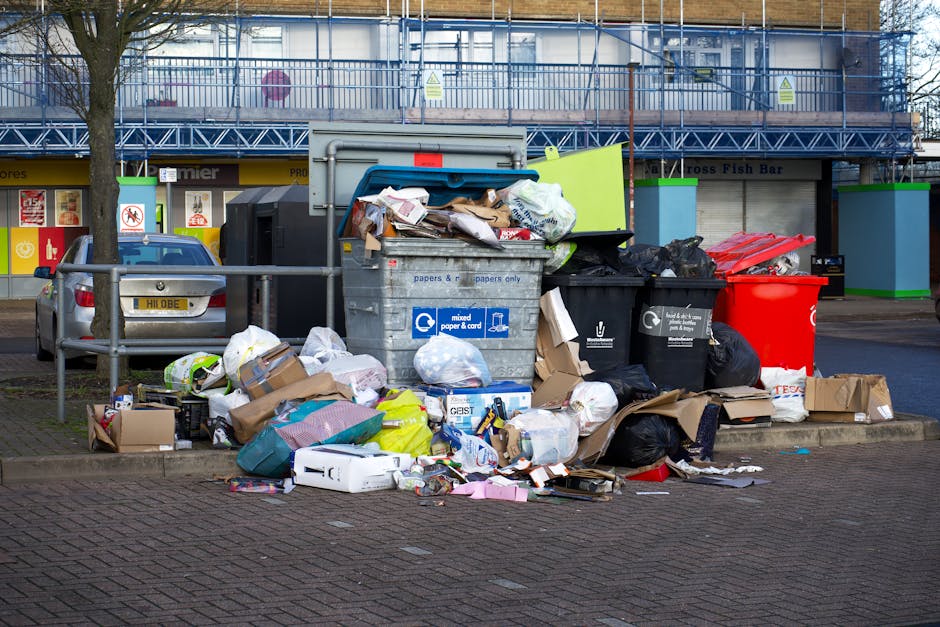
The key thing is that councils generally expect waste to be presented in a way that is safe and manageable for collection crews. Overfilled bins, loose rubbish, mixed recycling contaminated with food, or items abandoned beside the bin are the classic troublemakers. A tidy bin area really does make life easier for everyone.
If you are handling a house move or clear-out, it may help to look at services such as house clearance, home clearance, or flat clearance when the waste goes beyond what your usual bins can handle.
Key Benefits and Practical Advantages
Following rubbish rules properly is not only about avoiding problems. It saves time, reduces stress, and often keeps costs lower in the long run. A lot of people only realise this after they have tried to squeeze a sofa into a bin-store situation that was never designed for it. Spoiler: it never ends well.
- Cleaner surroundings: Properly managed waste keeps driveways, front paths, and communal areas tidy.
- Lower contamination risk: Good sorting helps recycling stay recyclable.
- Fewer neighbour disputes: Careful presentation reduces mess and odour near shared spaces.
- Safer handling: Clear, well-contained waste is easier to lift and move.
- Better planning: You can avoid last-minute panic when a collection day is close.
- More efficient clear-outs: For bigger jobs, a planned removal route can be faster than trying to piece it together.
Another benefit that gets overlooked is mental space. A cluttered garage or overflowing bin corner can quietly nag at you every time you walk past. Clear it properly and the whole place feels calmer. That is not an exaggeration, honestly.
For larger or more awkward items, professional help can be worthwhile. Pages such as furniture disposal, furniture clearance, and garage clearance can be useful when you need an organised, lawful way to remove items without leaving anything to chance.
Who This Is For and When It Makes Sense
This guidance is useful for more people than you might think. It is not just for homeowners with a few excess bin bags. Broxbourne rubbish rules matter if you are:
- moving home and dealing with mixed household waste
- clearing out an inherited property
- renovating a room and generating builders' waste
- running a shop, office, or small business
- managing a rented flat or shared property
- tidying a garden after a seasonal cut-back
- disposing of one or two large items that will not fit in a normal collection
For landlords and letting agents, compliance matters because tenants often leave a mixture of old furniture, packaging, and occasional mystery items that do not exactly fit the bin system. For tradespeople, the priority is different again: waste has to be contained, separated, and removed in a way that avoids complaints and possible enforcement action.
If that sounds familiar, it may be time to look beyond standard household collection and consider builders' waste clearance or business waste removal. A good rule of thumb: if it would make a collection crew stop and scratch their head, it probably needs a more specific disposal route.
Step-by-Step Guidance
Here is the practical way to handle rubbish in Broxbourne without making life harder than necessary.
- Identify the waste type. Start by separating general waste, recycling, food waste, garden waste, and bulky items. Mixed piles cause the most confusion.
- Check what the council route allows. Household collections usually have rules on container type, presentation, and what can be placed out. If you are unsure, do not guess.
- Remove prohibited or risky items. Some materials need special handling. That might include hazardous waste, electrical items, or heavy building debris.
- Break down what you can. Flat-pack furniture, cardboard, and some loose items are easier to manage when dismantled first.
- Bag or bundle appropriately. Keep small waste contained so it cannot blow around or leak.
- Decide whether it fits normal collection. If it is too large, too heavy, or too much for the available bins, use a separate route.
- Book ahead for bulky or specialist removal. Do not wait until the drive is blocked or the item is sat in the hallway for three days.
- Present waste neatly. Keep it accessible, safe, and in line with the rules for your property type.
A small real-world example: a family clearing a spare room might start with three black bags, an old mattress, a broken chest of drawers, and several boxes of mixed bits and pieces. The bags may fit regular collection, but the mattress and drawers almost certainly need a separate plan. Sorting that out early saves a lot of back-and-forth.
Expert Tips for Better Results
There are a few habits that make rubbish management easier straight away.
- Sort as you go, not at the end. Leaving everything in one pile creates a much bigger job later.
- Keep packaging clean if you want it recycled. Food residue and liquids can ruin a recycling load fast.
- Use a staging area. A garage, hallway corner, or sheeted section of a driveway can help you organise waste without spreading it everywhere.
- Photograph bulky items before booking removal. It helps you estimate volume and avoid surprises.
- Plan around weather. Wet cardboard and soggy garden waste are much harder to manage on a grey Tuesday morning than they look on paper.
- Ask about access. Narrow stairs, shared entries, or parking limits can affect how waste should be removed.
One thing many people miss: it is not only about disposal, but about handling. If waste is sharp, heavy, damp, or dusty, the collection method should match that reality. A broken wardrobe panel can be awkward enough on its own. Add rain, and it turns into a proper nuisance.
If you are sorting items you no longer need, it can also help to review recycling and sustainability principles before deciding what goes where. Reuse, repair, recycle, remove. In that order if possible.
Common Mistakes to Avoid
Most problems with rubbish rules come from a handful of repeated mistakes. The good news is that they are easy to avoid once you know what to look for.
- Overfilling bins. Lids that will not close are a common trigger for rejection or missed collection.
- Mixing the wrong materials. Food in recycling, rubble in household waste, or garden cuttings in the wrong container can all cause issues.
- Leaving waste beside bins. If it is not accepted, it may simply be left behind.
- Assuming bulky items are automatically included. Big furniture and appliances usually need a separate arrangement.
- Ignoring access restrictions. Shared paths, gated areas, or tight stairwells can make an apparently simple job more complex.
- Putting out waste too early. This can create mess, attract attention, and annoy neighbours. Fairly quickly, actually.
- Not checking responsibility. In rented or shared properties, the question of who arranges disposal can get messy if nobody takes ownership.
Another subtle mistake is underestimating quantity. A few bags can become a van load once you start emptying cupboards, sheds, or lofts. That is exactly when people end up scrambling for a last-minute solution.
Tools, Resources and Recommendations
You do not need fancy equipment, but a few simple tools make the job easier:
- Heavy-duty bags: Better for bulky household rubbish and mixed clutter.
- Work gloves: Useful for lofts, garages, and garden clear-outs.
- Marker labels: Handy for separating items to keep, recycle, donate, or remove.
- Measuring tape: A quick way to check whether an item will fit through doors or down stairs.
- Dust sheets or tarpaulins: Keep waste contained and protect floors.
- Basic storage tubs: Good for screws, cables, and small bits that otherwise vanish into thin air.
For more structured clearance projects, it helps to think in zones: one pile for keep, one for recycle, one for donate, one for remove. That simple four-way split saves time and keeps decision-making calmer. If you have ever stood in a loft wondering why you own three broken lamps and a chair with no seat, you will know the feeling.
Depending on the type of job, some of these pages may also be useful:
- loft clearance for attic clean-outs
- office clearance for desks, chairs, and work equipment
- garden clearance for green waste and outdoor clutter
- waste removal for mixed non-hazardous rubbish
Law, Compliance, Standards and Best Practice
Waste disposal in the UK sits within a wider legal and practical framework, and local council rules are one part of that. While this article avoids pretending to be the council, there are some broad principles worth knowing.
Duty of care is the big one. In plain English, if you produce waste, you are responsible for making sure it is handled properly until it is collected, taken away, or transferred to a suitable authorised route. That applies to households in a practical sense and is especially important for businesses.
For commercial waste, the expectations are stricter. Businesses usually need to keep rubbish separate from general household streams, avoid contamination, and use appropriate collection or disposal arrangements. If you run a premises, do not rely on a "we'll just sort it later" approach. Later is how people get into trouble.
Best practice also means:
- keeping waste secure so it does not blow away or attract pests
- segregating recyclables where instructed
- using proper routes for bulky, electrical, or construction waste
- avoiding fly-tipping, even if the item is inconvenient
- making sure anyone removing waste is competent and appropriately insured
For peace of mind, it is smart to check a provider's insurance and safety information and to read terms and conditions before booking any clearance work. If you are comparing providers, transparency matters. It just does.
Options, Methods, or Comparison Table
Different waste situations call for different methods. Here is a straightforward comparison to help you decide what fits best.
| Method | Best for | Pros | Watch-outs |
|---|---|---|---|
| Standard council collection | Routine household rubbish and recycling | Convenient and familiar | Limited by container size, rules, and collection schedule |
| Bulky waste arrangement | Furniture, mattresses, large one-off items | Suited to awkward items | May need booking and careful presentation |
| Self-haul to a suitable site | Smaller volumes if you have transport and time | Flexible and direct | Requires loading, sorting, and travel |
| Professional clearance service | House moves, clear-outs, mixed loads, access problems | Fast, organised, less physical effort | Cost depends on volume, item type, and labour needed |
For many people, the choice comes down to time and access. If you can manage a few bags yourself, standard collection may be enough. If the job involves stairs, broken furniture, or a full property clearance, a dedicated service can be far more efficient. There is no prize for doing the hardest possible version of the task.
Case Study or Real-World Example
Imagine a couple in Broxbourne clearing a two-bedroom flat after a long tenancy. They have a broken sofa, a bed frame, several bags of mixed waste, kitchen packaging, and some old shelving from the hallway. The first instinct is often to pile everything near the bin area and hope for the best. That usually creates more stress than progress.
Instead, they separate the load into three parts. The bags that fit regular collection go into the correct bins. The cardboard gets flattened and kept clean for recycling. The sofa and bed frame are set aside for a separate removal route, because they are too large for normal bins and awkward to carry down the stairs. A professional team can then remove the items in one visit, which keeps the flat clear and avoids the usual "where do we put this until Friday?" dance.
That kind of job is where planning really pays off. It is not dramatic. Just sensible. And sensible wins here.
Practical Checklist
Use this checklist before you put anything out for collection or book a removal:
- Have I separated general waste, recycling, food waste, and garden waste?
- Do I know whether any item needs bulky collection or a specialist route?
- Are bags closed, manageable, and not overfilled?
- Is the waste clean enough for recycling, if that is where it belongs?
- Have I broken down furniture or packaging where possible?
- Is the waste stored safely and not blocking access?
- Have I checked whether the item should go through a house, flat, garage, or office clearance route?
- Do I know who is responsible for arranging disposal in a shared or rented property?
- Have I confirmed the provider's safety and insurance details if I am outsourcing the job?
- Am I avoiding anything that could be classed as fly-tipping or improper disposal?
If you can tick most of those off, you are in good shape. If not, pause and sort it properly first. It saves time later.
Conclusion
What to Know About Broxbourne Council Rubbish Rules is really about staying organised, using the right disposal route, and avoiding the small mistakes that turn a simple job into a messy one. Most issues come from poor sorting, overfilled containers, or trying to make bulky waste fit into a system that was never designed for it.
When you understand the basics, the whole process becomes much more manageable. You protect your property, help keep local streets tidy, and reduce the chance of avoidable disruption. And if the job is bigger than normal household waste, there are sensible options available for clearances, furniture, gardens, garages, lofts, and business premises.
Truth be told, waste is one of those boring jobs that feels much better once it is done properly. The room looks lighter. The air feels clearer. You can hear yourself think again.
Get a free quote today and see how much you can save.
Frequently Asked Questions
What are Broxbourne Council rubbish rules in simple terms?
In simple terms, they tell you how to sort, present, and dispose of waste safely and correctly. That includes normal household rubbish, recycling, food waste, garden waste, and items that need a special route such as bulky furniture or builders' debris.
Can I leave extra bags beside my bin if it is full?
Usually not. Extra bags are often not collected if they are not in the accepted container or if they breach local presentation rules. It is better to arrange the waste properly than hope for a goodwill pickup.
What should I do with bulky items like sofas or mattresses?
Bulky items normally need a separate collection or disposal route. If they do not fit your regular collection system, it is best to book a dedicated removal service or follow the council's bulky waste process where available.
Are garden cuttings treated the same as general rubbish?
No, garden waste is usually handled separately from everyday rubbish. Branches, grass cuttings, and leaves may be suitable for a green waste route, composting, or a specific garden clearance service.
What happens if I mix recycling with food waste or general rubbish?
Contamination can cause the load to be rejected or made less useful for recycling. A little food residue can spoil a lot of otherwise recyclable material, so clean sorting matters more than people think.
Do businesses in Broxbourne have the same rubbish rules as households?
Not usually. Businesses often have separate responsibilities for commercial waste management, record keeping, and correct disposal. The expectations are generally stricter than for standard household waste.
How do I know whether I need house clearance or waste removal?
If you are clearing a full property, several rooms, or mixed contents, house clearance or home clearance is often more appropriate. If you mainly need unwanted items or general rubbish removed, waste removal may be enough.
Can I put builders' waste in my normal bin?
Usually not. Rubble, plasterboard, timber offcuts, and similar waste normally need a specialist disposal route. For renovation jobs, builders' waste clearance is usually the safer and cleaner option.
Is it worth using a professional clearance company?
It can be, especially if you have heavy items, limited access, time pressure, or a large volume of mixed waste. It saves lifting, transport, and a lot of coordination. Sometimes the calmest option is the practical one.
What should I check before booking a rubbish removal service?
Check what is included, how pricing is structured, whether the provider has appropriate insurance, what items they accept, and how they handle recycling and safety. Reading the terms first is a boring step, but a useful one.
How can I avoid complaints from neighbours or flatmates?
Keep waste tidy, do not leave it out early, avoid blocking communal access, and make sure anything bulky is removed promptly. Good communication helps too, especially in shared buildings where everyone notices everything.
What is the safest way to prepare waste for collection?
Separate it by type, keep sharp or heavy items contained, use sturdy bags or bundles, and make sure access paths stay clear. If anything is awkward, wet, or potentially hazardous, treat it carefully and choose the right disposal route.
Where can I find more support for property clear-outs?
If the job is more than routine bin day, pages such as house clearance, furniture clearance, loft clearance, and office clearance can help you match the service to the task.
What is the best first step if I am unsure about my waste?
Start by sorting the items into clear categories and identifying anything bulky, hazardous, or commercial. Once you know what you have, it becomes much easier to choose the right route and avoid mistakes.